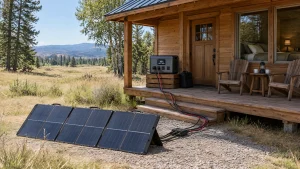
Portable Power Solutions for Remote Properties
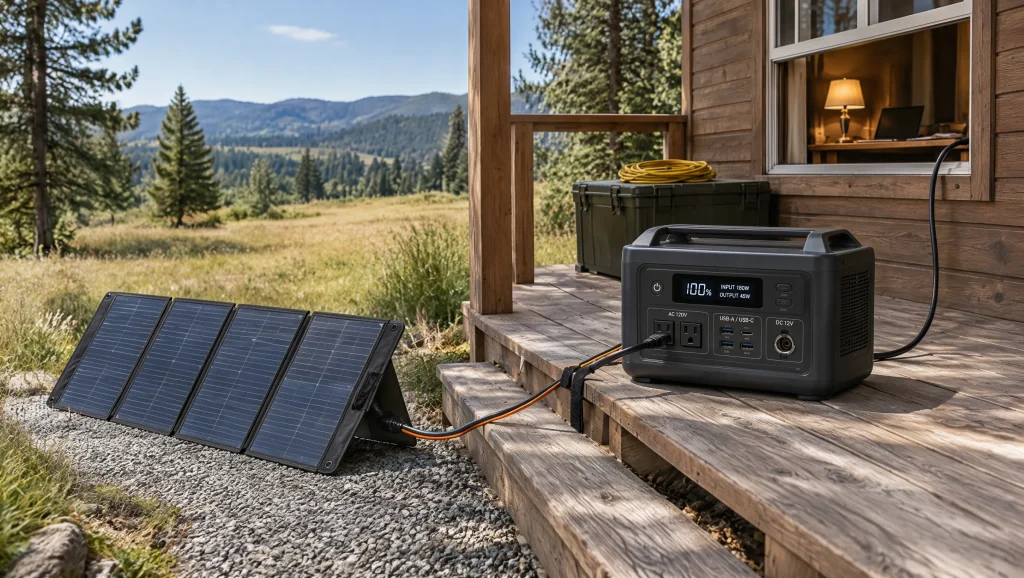
Living in a remote property offers privacy, tranquility, and a closer connection to nature. However, maintaining a reliable electricity supply can be challenging when utility connections are unavailable or frequent outages disrupt daily activities. From countryside cottages to secluded vacation homes, homeowners need practical ways to power essential appliances, lighting, and communication devices without sacrificing comfort.
Choosing Portable Power Solutions requires more than comparing prices or battery sizes. You need to consider household energy consumption, charging options, weather conditions, and expected outage duration. Understanding these factors helps you select a dependable system that supports your lifestyle while keeping energy costs manageable.
Power Needs for Remote Properties
Every remote home has different electricity requirements. Before purchasing equipment, consider your daily routine and identify which appliances are essential. A weekend cabin requires less energy than a permanent residence with refrigerators, water pumps, and home office equipment.
Common Off Grid Electricity Uses
Off Grid Electricity supports everyday activities without relying entirely on conventional utility connections. Common applications include LED lighting, refrigerators, laptops, Wi-Fi routers, security cameras, and water pumps.
List your essential appliances and check their wattage. Multiply each appliance’s power consumption by its operating hours to estimate daily energy requirements in watt-hours. This calculation helps you avoid buying equipment that cannot meet your actual needs.
Challenges of Remote Energy Supply
Remote properties may experience limited fuel availability, unpredictable weather, and prolonged power interruptions. Cold temperatures can affect battery performance, while cloudy conditions reduce solar generation. Some appliances also require additional power during startup.
Consider seasonal conditions, equipment storage, and charging accessibility before selecting your system. Preparation makes unexpected interruptions easier to manage.
Choosing Between Grid and Off Grid Power
Grid electricity offers convenience, but extending utility connections to isolated properties can be expensive. Independent systems provide greater flexibility but require careful planning and maintenance.
Portable equipment may suit occasional visits, while permanent residences often benefit from combining solar panels, battery storage, and backup generation. Your decision should reflect your budget and expected energy consumption.
Comparing Portable Power Solutions
Once you understand your energy needs, compare available technologies by output, runtime, charging flexibility, and operating costs. The most suitable system is not necessarily the largest; it is the one that reliably supports your essential activities.
Portable Generators and Power Stations
Portable generators convert fuel into electricity and can support demanding appliances when sufficient fuel is available. However, they produce exhaust, create noise, and require regular maintenance. Always operate generators outdoors, away from windows, doors, and air intakes, to prevent carbon monoxide poisoning.
Battery power stations operate quietly without producing exhaust at the point of use. They are convenient for electronics, lighting, and compatible appliances, although their runtime depends on battery capacity and connected loads.
According to the U.S. Department of Energy, solar technologies convert sunlight into usable energy. This makes solar panels a practical charging option for remote properties, especially when combined with battery storage.
Battery Capacity and Runtime
Battery capacity, measured in watt-hours (Wh), indicates how much energy a system stores. Output wattage determines which appliances it can power simultaneously.
For example, a 1,000 Wh battery could theoretically operate a 100 W appliance for 10 hours. Actual runtime will be shorter because of conversion losses and operating limitations.
Compare usable capacity, continuous output, startup surge capacity, battery chemistry, and warranty coverage before purchasing equipment.
Fuel Options and Charging Methods
Gasoline and propane generators provide backup electricity when solar production is insufficient. Solar panels can reduce fuel consumption, while grid charging may be useful before traveling to a remote property.
A hybrid system offers additional flexibility. Solar panels recharge batteries during sunny periods, while a generator supplies backup power during extended cloudy weather or unusually high demand.
Improving Power Reliability
Reliable electricity depends on more than purchasing capable equipment. Proper load management, regular inspections, and preparation help prevent avoidable interruptions and extend equipment life.
Matching Power Output to Appliances
Calculate the combined running wattage of appliances you intend to operate simultaneously. Account for startup surges from refrigerators, pumps, and other motor-driven equipment.
Prioritize essential appliances and stagger high-demand activities when possible. Heating and cooking equipment can consume substantial energy, so verify compatibility before connecting them to a portable power station.
Maintaining Portable Power Equipment
Inspect cables, connectors, and battery condition according to manufacturer instructions. Protect equipment from moisture and extreme temperatures unless it is specifically designed for those conditions.
Generators require attention to oil levels, filters, servicing schedules, and fuel quality. Never operate fuel-powered equipment inside a house, garage, or enclosed space. Install carbon monoxide alarms and follow electrical safety requirements.
Preparing for Extended Outages
Create a backup plan that identifies essential appliances, estimated daily consumption, and available charging methods. Keep compatible cables and necessary accessories accessible, and store fuel safely when required.
During prolonged outages, reduce unnecessary consumption and establish a charging schedule. Check whether additional batteries or solar panels can expand your system before purchasing equipment.
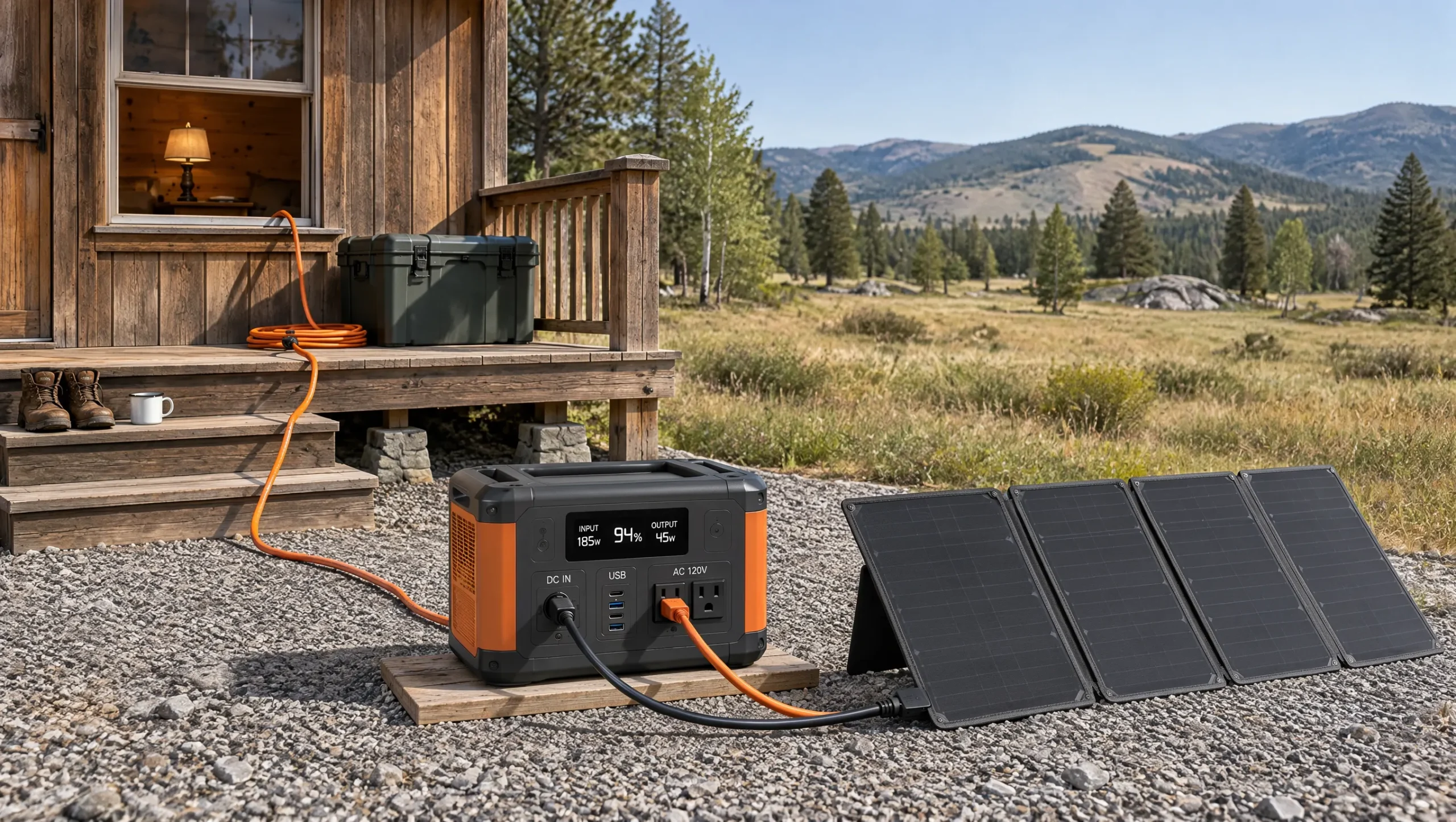
Choose Reliable Power for Your Remote Property
Reliable electricity makes remote living more comfortable, but expensive equipment does not automatically guarantee better performance. Consider your household’s energy consumption, essential appliances, and local weather conditions when selecting a suitable system.
Energy expert Amory Lovins has long advocated energy efficiency as a way to reduce unnecessary consumption. His work highlights an important principle for homeowners: “The best energy is the energy you don’t need to use.” By choosing efficient appliances and managing consumption wisely, you can maximize available power and control operating costs.
Explore Portable Power Solutions today and find a reliable system to keep your remote property comfortable and prepared for unexpected outages.