
Soundproofing Homes for Quiet Gatherings
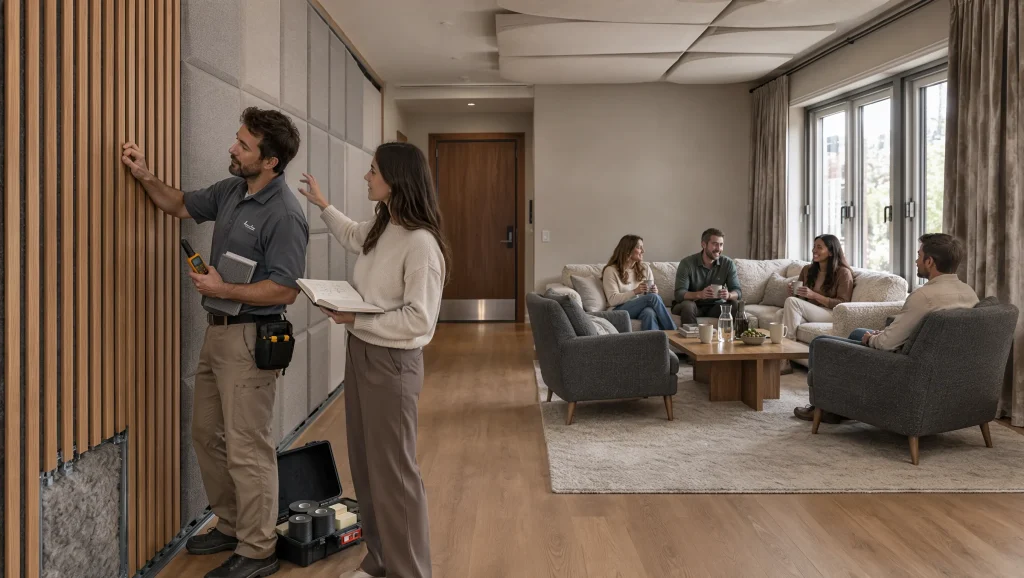
A comfortable home should make every gathering enjoyable, whether you are hosting a family dinner, welcoming friends, or organising a weekend celebration. However, excessive noise can quickly affect the atmosphere when conversations overlap, music travels between rooms, or outdoor activities disturb neighbours. Creating a peaceful residential environment means controlling unwanted sounds without sacrificing the warmth and comfort of your living spaces.
Effective Quiet Home Soundproofing starts with understanding how sound travels through walls, ceilings, floors, doors, and windows. Suitable materials, thoughtful furniture arrangements, and practical household habits can improve acoustic comfort without expensive renovations. Have you ever noticed how a beautifully furnished living room can still feel uncomfortable because conversations echo or noise travels into neighbouring rooms? Addressing these overlooked details can transform your home.
Common Sources of Household Noise
Before choosing soundproofing materials, identify where unwanted noise originates. Different properties have different acoustic characteristics depending on their construction, interior finishes, and surrounding environment. Understanding these sources helps homeowners choose effective improvements.
Noise From Music and Conversations
Music, television, and conversations are common sources of household noise during gatherings. Although these activities create an enjoyable atmosphere, excessive volume can disturb adjoining rooms.
Open-plan living areas make this more challenging because sound travels freely between kitchens, dining rooms, and entertainment spaces. Position speakers away from shared walls and maintain reasonable music levels to reduce disturbances.
Sound Transfer Through Walls and Floors
Sound travels through buildings as airborne noise and structural vibration. Conversations and music produce airborne noise, while footsteps and moving furniture create impact noise.
Lightweight partitions, poorly insulated ceilings, and gaps around structural openings can increase sound transmission. Acoustic engineer Professor Trevor Cox explains, “Sound is all around us.” This highlights how sound interacts with everyday environments.
Improving one wall may not solve everything because noise can travel through floors, ceilings, and ventilation openings.
Outdoor Noise During Home Gatherings
Traffic, construction, lawn equipment, and neighbouring activities can interrupt indoor conversations. This becomes particularly noticeable when windows remain open or outdoor entertainment areas sit close to neighbouring properties.
Consider your patio, garden, and balcony arrangements. Solid fencing, suitable screening, and thoughtful speaker placement can improve privacy and reduce disturbances.
Improving Quiet Home Soundproofing
After identifying the main noise sources, choose improvements that address the actual problem. Effective Noise Reduction Methods combine suitable construction materials, proper installation, and attention to small openings that compromise acoustic performance.
Wall and Ceiling Insulation Options
Acoustic mineral wool and fibreglass insulation can reduce sound transmission when installed within appropriately designed wall and ceiling systems.
For larger renovations, consider additional plasterboard layers, resilient channels, or separated wall framing. These solutions help limit vibration travelling through connected building components.
However, insulation alone cannot solve every acoustic problem. Material mass, airtightness, and installation quality also influence performance.
Sealing Doors and Windows
Small gaps around doors and windows allow unwanted sound to enter a room. Installing weatherstripping, door sweeps, and suitable perimeter seals can improve acoustic isolation.
For properties exposed to busy roads, laminated glass or secondary glazing may provide additional protection. Remember to maintain appropriate ventilation when improving airtightness.
Using Rugs and Acoustic Panels
Hard surfaces such as ceramic tiles, glass, and polished flooring reflect sound waves, increasing reverberation. Thick rugs, upholstered furniture, heavy curtains, and acoustic panels help absorb these reflections.
Remember that sound absorption and soundproofing are different. Acoustic panels reduce echoes inside rooms but cannot independently prevent loud music from travelling through structural walls.
Preparing Your Home for Gatherings
Physical improvements are only part of creating a comfortable entertainment space. Your everyday hosting habits, furniture arrangements, and guest expectations also influence the acoustic environment.
Applying Practical Noise Reduction Methods
Prepare entertainment areas before guests arrive. Check speaker volumes, close unnecessary connecting doors, inspect window seals, and position entertainment equipment away from shared residential boundaries.
For larger gatherings, separate louder activities from quieter spaces. Keep music in designated entertainment areas while reserving another room for conversations and relaxation.
Arranging Furniture to Reduce Echo
Furniture placement influences how sound reflects throughout a room. Sofas, bookshelves, upholstered chairs, and curtains introduce softer surfaces that reduce excessive reverberation.
Avoid leaving large living areas completely empty, particularly when they feature extensive glass surfaces and hard flooring. Bookshelves and upholstered furniture can also improve acoustic comfort while maintaining attractive interior design.
Setting Quiet Hours for Guests
Responsible hosting involves considering neighbours’ comfort. Establish reasonable quiet hours, reduce outdoor music during the evening, and communicate expectations politely when organising larger celebrations.
For apartments and shared residential developments, check building regulations and applicable local noise requirements before planning late-night entertainment.
Acoustic consultant Julian Treasure observes, “We are losing our listening.” His discussion highlights how surrounding sounds influence everyday experiences. This is a useful reminder to balance entertainment with consideration for others.
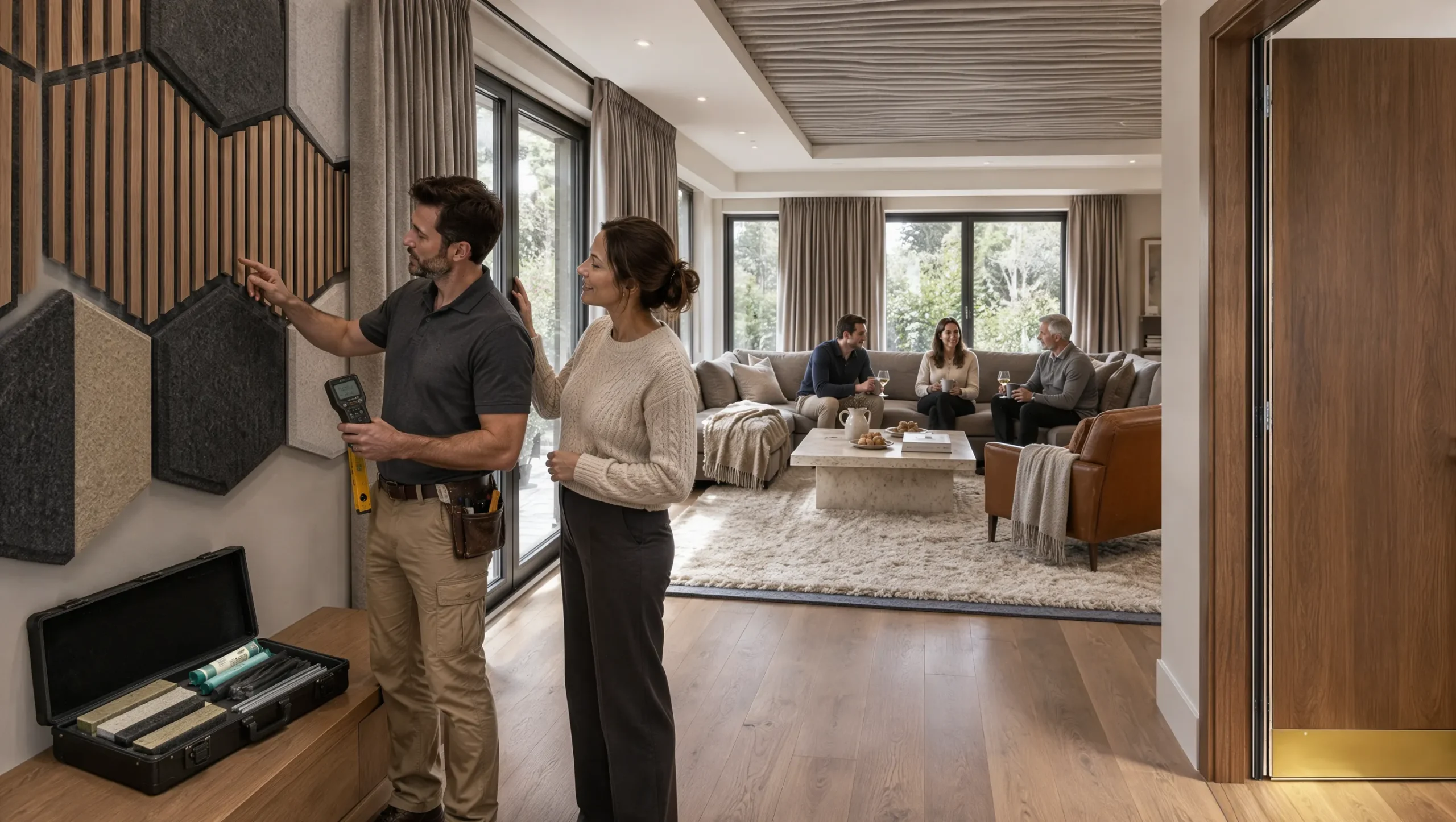
Create a Quieter Home for Every Gathering
A peaceful home allows conversations, entertainment, and relaxation to coexist without unnecessary disturbances. You do not need expensive renovations to achieve better acoustic comfort.
Start with practical improvements such as sealing gaps, introducing acoustic materials, and arranging furniture thoughtfully. Combine these changes with considerate hosting habits to create a more welcoming residential environment.
Make your home quieter and more comfortable today. Discover how effective Quiet Home Soundproofing can transform your next gathering into a more enjoyable experience.