
Managing Roof Leaks in Rental Properties
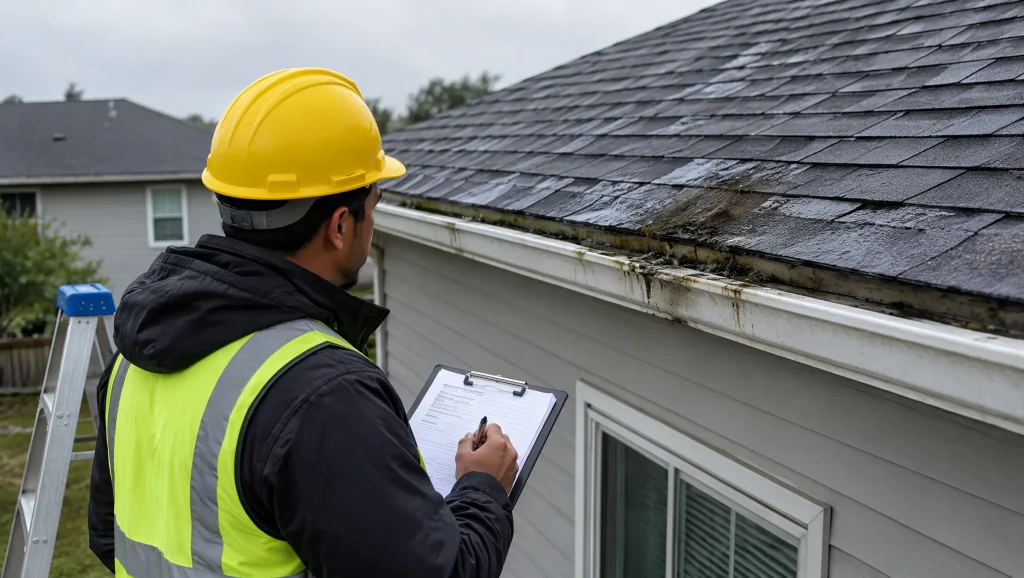
Heavy rain can turn a small roofing problem into a costly headache for landlords and tenants. A damp ceiling, dripping water, or a musty smell may seem minor at first, but ignoring these warning signs can lead to damaged belongings, weakened building materials, and potential mold growth.
Managing Rental Roof Leaks starts with identifying the source of the water, assessing the damage, and arranging timely repairs. Clear communication between landlords, tenants, and qualified contractors also helps keep the property safe while preventing avoidable repair costs.
Common Roof Leaks After Heavy Rain
Roof Leaks After Heavy Rainfall can develop when storms expose weaknesses in roofing materials, flashing, gutters, or drainage systems. Identifying the warning signs early helps landlords respond before moisture spreads into ceilings, walls, and flooring.
Signs of Leaks After Heavy Rain
Look for brown ceiling stains, peeling paint, damp patches, dripping water, or musty odors after a storm. Some leaks appear only during heavy rainfall, so note when the problem occurs and which areas are affected. Report any active leak promptly rather than waiting for visible damage to worsen.
Common Causes of Roof Damage
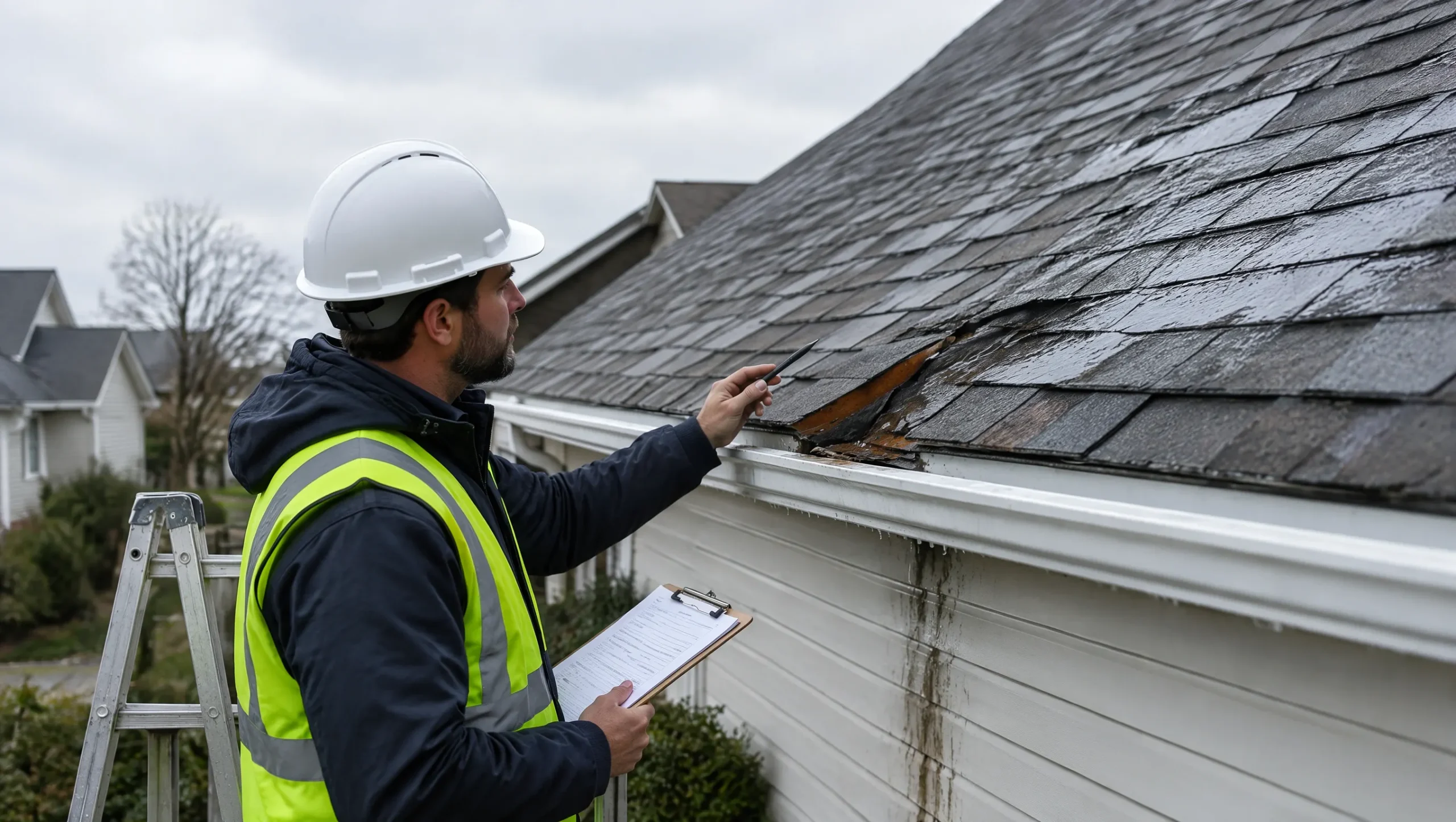
Damaged shingles, cracked roof membranes, loose flashing, blocked gutters, and deteriorated seals can allow rainwater inside. Strong winds and falling branches may also damage roofing materials. A professional inspection can identify the actual entry point, which may be some distance from the visible indoor stain.
Water Damage Inside Rental Properties
Water can damage drywall, insulation, flooring, furniture, and electrical components. Persistent moisture may also encourage mold growth. The U.S. Environmental Protection Agency advises drying wet materials within 24–48 hours when possible to help prevent mold, while addressing the underlying moisture source.
Inspecting and Repairing Roof Leaks
Once a leak is reported, arrange an inspection to determine its cause and severity. Avoid climbing onto a wet roof during or immediately after a storm, as slippery surfaces and unstable materials can create serious safety risks.
Checking Roofs and Ceiling Damage
Inspect accessible areas for damp insulation, damaged plaster, and water stains, but leave roof-level checks to qualified professionals. Photograph visible damage and record when it appeared. If water reaches electrical fixtures or the ceiling begins to bulge, keep people away and seek urgent professional assistance.
Arranging Repairs With Qualified Contractors
Choose an appropriately licensed or insured roofing contractor where required. Ask for a written assessment explaining the leak source, proposed repair, materials, and estimated completion time. Water-damage specialist Christopher Chapman identifies the first step in remediation as to identify and correct the water leak. Fixing the source is essential before completing interior restoration.
Preventing Further Water Damage
Move furniture and valuables away from affected areas, and use suitable containers to collect dripping water if it is safe. Arrange professional drying and cleanup as needed. Robert Curran, an environmental project manager specializing in mold investigations, notes that mold can indicate water intrusion or elevated relative humidity. Prompt moisture control helps reduce the risk of recurring problems.
Planning Repairs and Tenant Responsibilities
Effective Property Repair Planning helps landlords prioritize urgent work, coordinate contractors, and manage expenses. A clear process also keeps tenants informed about access arrangements, temporary safety measures, and repair schedules.
Property Repair Planning After Storms
Prioritize active leaks, structural concerns, and damage that could affect electrical safety or indoor air quality. Arrange temporary protection when necessary, followed by permanent repairs. Check gutters and roof drainage after severe weather to identify maintenance issues that could contribute to future leaks.
Landlord and Tenant Repair Responsibilities
Landlords are generally responsible for maintaining the roof and building structure, while tenants should report leaks promptly and take reasonable steps to limit further damage. Exact responsibilities depend on local laws, the lease, and the circumstances. Tenants should obtain permission before arranging repairs themselves, except where applicable emergency rules provide otherwise.
Documenting Damage and Repair Costs
Keep dated photographs, tenant notifications, inspection reports, contractor estimates, invoices, and receipts. Record temporary repairs separately from permanent work. This documentation supports insurance claims, helps track maintenance spending, and provides a clear record if disagreements arise over responsibility or payment.
Address Roof Leaks Before Damage Spreads
Roof leaks require timely action, clear communication, and repairs that address the underlying cause. By documenting damage, hiring qualified contractors, and understanding landlord and tenant responsibilities, property owners can protect their investment and maintain a safer rental environment.
After the next heavy storm, inspect accessible areas, report warning signs promptly, and arrange a professional assessment when needed. Acting early can help prevent a manageable roofing issue from becoming a much larger repair project.