
Rental Property Types for Different Budgets

Investing in rental property does not always mean buying a large house or a luxury apartment. Depending on your budget, a smaller condo, townhouse, or multi-unit building may offer a more suitable starting point. The key is understanding the costs, responsibilities, and income potential of each option before making a decision.
Exploring different Rental Property Types helps investors identify properties that match their financial resources and long-term goals. By comparing purchase prices, maintenance expenses, tenant demand, and potential returns, you can choose an investment that fits your budget without taking on unnecessary financial pressure.
Exploring Rental Property Types
Rental properties come in different sizes, layouts, and ownership structures. Each option has its own advantages, from the simpler management of a single-family home to the potential for multiple income streams from a multi-unit property.
Property Costs Vary by Type, so the purchase price should not be your only consideration. Location, building condition, shared facilities, local regulations, and ongoing maintenance obligations can significantly affect the total cost of ownership.
Single Family Homes and Condos
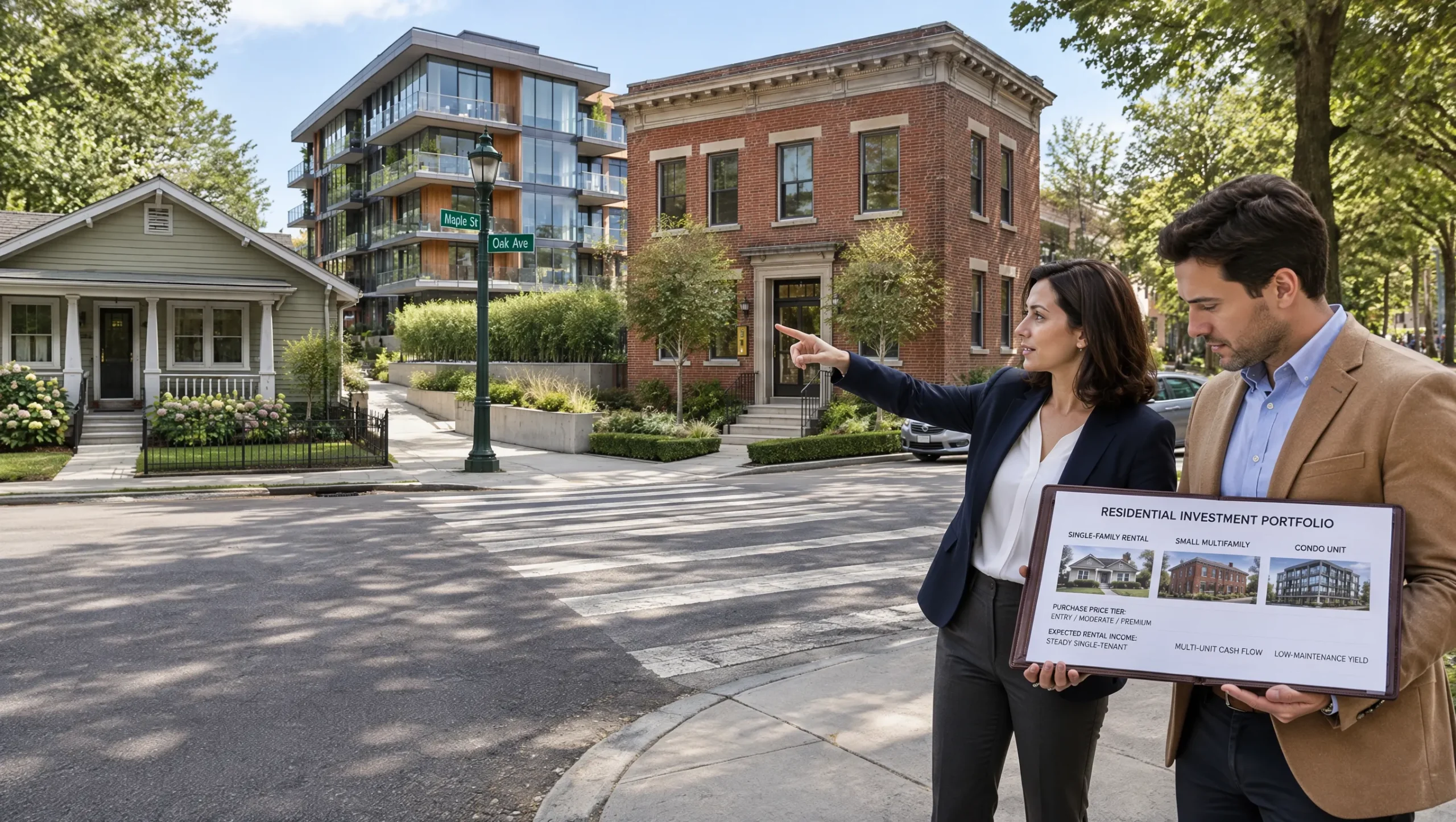
Single-family homes appeal to investors who want to rent an entire property to one household. They may offer greater privacy for tenants, but the owner typically bears responsibility for the property’s maintenance. Condos can have lower purchase prices in some markets, although monthly association fees and building rules may affect profitability.
Apartments and Multi Unit Properties
Multi-unit properties allow investors to collect rent from several households within one building. This can reduce reliance on a single tenant, although vacancies and repairs may still affect cash flow. These properties often require more substantial financing, careful tenant management, and regular maintenance of shared areas.
Townhouses and Small Rental Units
Townhouses can provide a middle ground between detached houses and apartments, combining private living space with a relatively compact footprint. Small rental units, including studios, may attract students, young professionals, or individuals seeking lower monthly rent. Their success depends heavily on local demand, accessibility, and available amenities.
Comparing Property Costs and Income
A property that appears affordable upfront may become expensive once financing, repairs, insurance, taxes, and management fees are included. Investors should estimate the full cost of ownership before deciding which property type offers the best fit.
Real estate educator and author Brandon Turner has emphasized the importance of evaluating rental investments through their income and expenses. This principle encourages investors to assess the cash flow a property may generate rather than relying solely on its purchase price or projected rent.
Initial Purchase and Financing Costs
Initial expenses may include the down payment, closing fees, inspections, legal costs, and renovations needed before tenants move in. Compare mortgage terms and interest rates across suitable lenders. Remember that financing requirements may differ depending on whether you purchase a condo, a house, or a multi-unit building.
Maintenance and Monthly Expenses
Routine costs can include property taxes, insurance, repairs, utilities, management fees, and shared-area upkeep. Condos may carry association fees, while larger buildings can require more extensive maintenance. Budget for unexpected repairs and vacant periods so your investment remains manageable when income temporarily falls.
Expected Rental Income and Returns
Research comparable rental properties in the same neighborhood to estimate realistic monthly income. Subtract operating expenses from expected rent to calculate net operating income before financing costs. For a clearer picture of profitability, also consider mortgage payments, vacancy allowances, and the initial cash invested.
Choosing an Investment Within Your Budget
The right property depends on more than available savings. Investors should also consider their experience, available time, financial reserves, and willingness to handle maintenance or tenant issues. A smaller property with manageable expenses may be more suitable than a larger investment with higher potential income but greater risk.
Affordable Housing Options can provide an entry point for investors working with limited capital. However, affordability should be assessed alongside property condition, rental demand, and the potential for long-term expenses rather than purchase price alone.
Affordable Housing Options for Investors
Consider smaller homes, modest condos, or compact rental units in areas with reliable tenant demand. Compare properties outside expensive city centers, but account for transport access, local amenities, and employment opportunities. Lower purchase prices are most useful when the property can still attract suitable tenants.
Comparing Tenant Demand by Property Type
Research who rents in your target area and what those tenants need. Families may prefer houses with multiple bedrooms, while students and single professionals may favor apartments near universities or workplaces. Local rental listings, vacancy trends, and comparable properties can help validate your assumptions.
Assessing Investment Risks and Returns
Consider vacancy rates, major repair costs, changing interest rates, and local rental regulations before committing. Avoid relying on optimistic rent estimates or assuming property values will always rise. Comparing several financial scenarios can help reveal whether the expected returns justify the investment risk.
Choose a Rental Property That Fits Your Budget
Choosing a rental property is about finding the right balance between upfront affordability, ongoing costs, tenant demand, and potential returns. A property that matches your financial capacity can help you build experience without stretching your budget too far.
Start by setting a clear spending limit, comparing several property types, and estimating realistic cash flow for each option. Careful research can help you choose a rental investment that supports your financial goals over the long term.