
Property Management for Urgent Rental Repairs
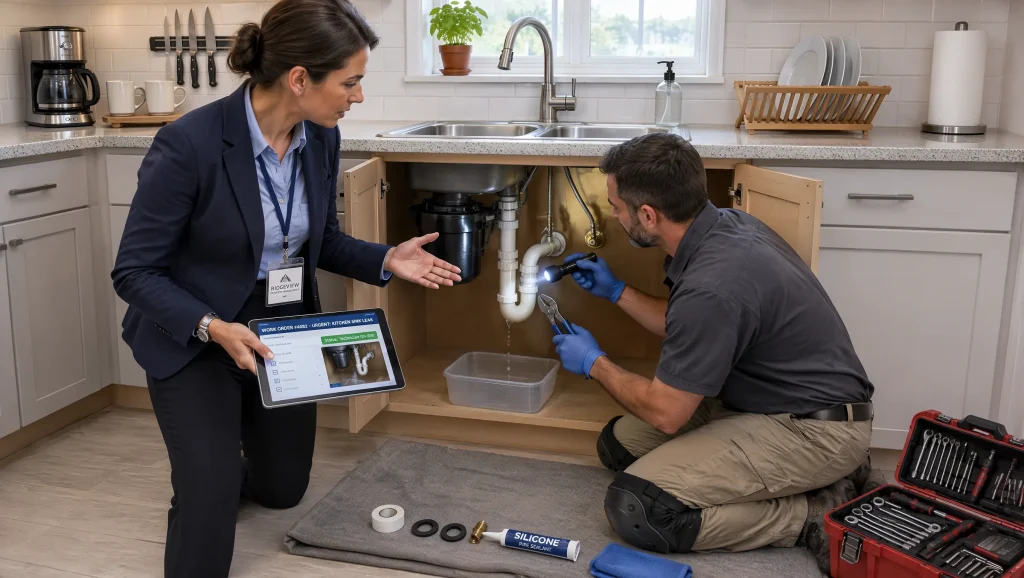
A leaking pipe, sudden power outage, or broken front door lock can quickly turn a comfortable rental property into a stressful place to live. When these problems arise, tenants need clear communication and prompt action to protect their safety and prevent further damage.
Effective property management for Urgent Rental Repairs requires a reliable process for assessing complaints, prioritizing risks, and coordinating qualified contractors. By responding quickly and keeping everyone informed, property managers can reduce disruption, protect the property, and maintain good relationships with tenants and owners.
Common Urgent Repair Complaints
Rental properties can experience unexpected problems that require immediate attention. Some issues affect daily comfort, while others create serious safety risks or threaten the building’s condition. Property managers need to understand the difference to determine the appropriate response.
Tenants Reporting Urgent Property Damage should receive clear instructions on what to do while waiting for assistance. A consistent reporting process helps managers gather essential details, assess the situation, and arrange the right repair service without unnecessary delays.
Water Leaks and Plumbing Problems
Burst pipes, overflowing toilets, and major leaks can damage floors, walls, and personal belongings. Ask tenants to shut off the water supply if it is safe to do so, then arrange a qualified plumber. Significant flooding or water near electrical equipment requires additional safety precautions and urgent professional assistance.
Electrical Faults and Power Outages
Burning smells, sparking outlets, exposed wires, and repeated electrical failures can indicate serious hazards. Advise tenants to avoid touching affected equipment and keep away from dangerous areas. Contact a licensed electrician, and seek emergency assistance if there is smoke or a fire risk.
Broken Locks and Safety Issues
A damaged entry lock, broken exterior door, or compromised window can leave tenants vulnerable. Arrange prompt repairs or temporary security measures when necessary. If the property cannot be secured safely, consider appropriate temporary accommodation while permanent repairs are organized.
Prioritizing Urgent Rental Repairs
Not every maintenance request requires the same response time. Property managers should assess the severity of the problem, the potential for injury, and the likelihood of further damage before assigning priority.
A clear triage process also helps teams avoid treating minor cosmetic issues as emergencies while overlooking serious hazards. Local housing regulations and tenancy agreements should guide response obligations, as legal requirements vary by location.
Identifying Immediate Safety Risks
Start by asking whether anyone is in danger, whether essential services are unavailable, and whether the damage is getting worse. Gas leaks, fire hazards, major flooding, and dangerous electrical faults require immediate action. Contact the relevant emergency service when the situation presents an immediate threat.
Handling Essential Repairs First
Prioritize issues affecting basic safety, sanitation, security, and essential utilities. For example, a broken heating system during extreme cold may require faster attention than a damaged cabinet door. Document the reason for each priority decision to support consistent and transparent management.
Finding Available Repair Contractors
Maintain a list of trusted plumbers, electricians, locksmiths, and general maintenance professionals who offer emergency services. Confirm their qualifications, availability, service areas, and estimated costs before assigning work whenever circumstances allow. Having reliable contacts ready can significantly shorten response times.
Coordinating Emergency Maintenance
Once a repair has been prioritized, the next step is to coordinate the work efficiently. Property managers must communicate with tenants, authorize appropriate expenses, and ensure contractors can access the affected area.
Effective Emergency Maintenance Planning includes clear responsibilities, after-hours contact procedures, spending approval limits, and backup contractors. Preparing these arrangements in advance helps managers respond consistently, even when several repair requests arrive at once.
Emergency Maintenance Planning
Create a written procedure explaining how tenants report emergencies and how staff assess incoming requests. Include escalation contacts, contractor details, and instructions for documenting damage. Review the procedure regularly so contact information and responsibilities remain current.
Updating Tenants and Property Owners
Tell tenants what action is being taken, when a contractor is expected, and whether they need to prepare the area. Keep property owners informed about significant damage, estimated expenses, and approval requirements. Clear updates help manage expectations and reduce uncertainty during stressful situations.
Tracking Repair Progress and Costs
Record the initial complaint, photographs where appropriate, contractor visits, invoices, and completion details. Follow up if repairs are delayed, and explain any changes to the expected timeline. Accurate records help control maintenance spending, support future planning, and provide a useful history if similar problems recur.
Respond to Urgent Rental Repairs Faster
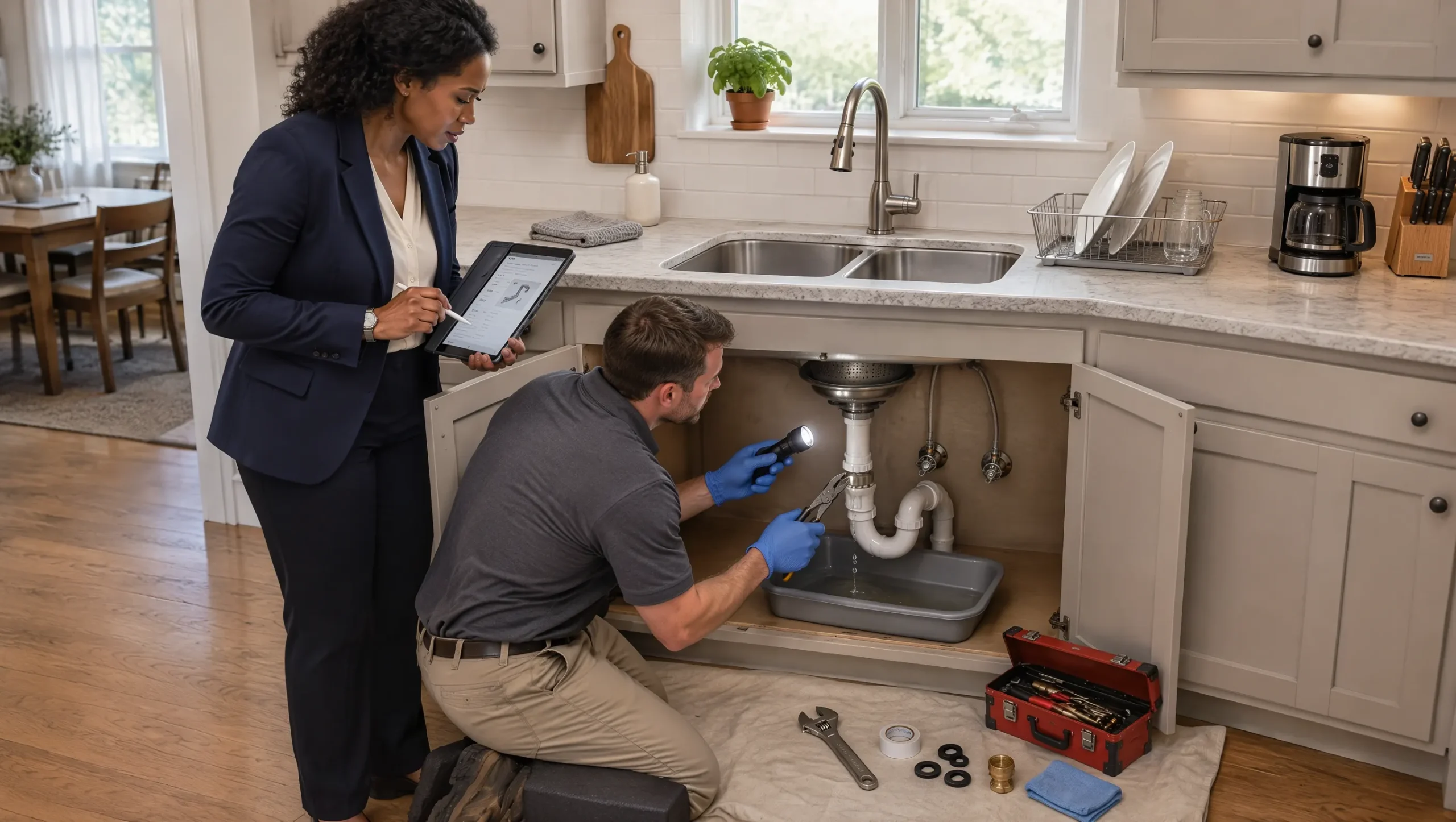
Fast, organized maintenance protects tenants, reduces property damage, and helps rental operations run smoothly. By prioritizing safety, maintaining reliable contractor contacts, and communicating clearly, property managers can handle unexpected problems with greater confidence.
Review your emergency procedures today, update your contractor list, and make sure tenants know how to report urgent issues. A little preparation can make a significant difference when the next repair cannot wait.